
Surgical Waste Disposal
Types of Surgical Waste
Surgical environments generate various waste types, each requiring specific handling and disposal methods. Understanding these categories is the first step toward establishing an effective waste management system.

Biomedical/Infectious Waste
Biomedical waste includes materials contaminated with blood, bodily fluids, or other potentially infectious materials (OPIM). In surgical settings, this commonly includes:
- Blood-soaked gauze, bandages, and dressings
- Used surgical gloves and gowns
- Tissue samples and pathological waste
- Contaminated disposable drapes and linens
- Used culture dishes and other contaminated labware
This waste category poses significant infection risks and requires proper containment in leak-proof, color-coded bags or containers—typically red or orange—marked with the universal biohazard symbol.
Sharps Waste
Sharps waste is among the most hazardous categories in surgical environments due to its potential to cause injuries and transmit bloodborne pathogens. This category includes:
- Needles and syringes
- Scalpel blades
- Suture needles
- Glass vials and ampules
- Broken glass contaminated with biological materials
Sharps must be disposed of in puncture-resistant containers that are clearly labeled, leak-proof, and designed to prevent removal of discarded items.
Pharmaceutical Waste
Surgical procedures often involve various medications that may become waste, including:
- Partially used vials of medications
- Expired drugs
- Contaminated pharmaceuticals
- Anesthesia-related medications
Pharmaceutical waste may be further categorized as hazardous or non-hazardous based on its properties. Hazardous pharmaceutical waste requires special handling and disposal methods in accordance with EPA regulations.
Chemical Waste
Chemical waste from surgical settings includes:
- Disinfectants and sterilizing agents
- Laboratory reagents
- Formaldehyde and other preservatives
- Solvents and alcohols
These materials may be toxic, corrosive, flammable, or reactive and require specific disposal methods based on their hazardous characteristics.
General Waste
Not all waste generated in surgical environments is hazardous. General waste includes:
- Packaging materials
- Non-contaminated paper and plastic
- Administrative waste
- Other non-hazardous items
While this waste poses minimal risk, proper segregation from hazardous materials is essential to reduce disposal costs and environmental impact.
Regulations Governing Surgical Waste Disposal
Compliance with regulations is non-negotiable when it comes to medical waste disposal. Healthcare facilities must navigate a complex regulatory landscape that includes federal, state, and local requirements.

Federal Regulations
Several federal agencies oversee aspects of surgical waste management:
Environmental Protection Agency (EPA)
The EPA regulates hazardous waste under the Resource Conservation and Recovery Act (RCRA). Healthcare facilities generating hazardous waste must:
- Determine which wastes are hazardous
- Obtain an EPA identification number if generating certain quantities
- Follow specific storage, transportation, and disposal requirements
- Maintain detailed records of hazardous waste management
Occupational Safety and Health Administration (OSHA)
OSHA's Bloodborne Pathogens Standard (29 CFR 1910.1030) establishes requirements for protecting workers from exposure to blood and other potentially infectious materials, including:
- Development of an exposure control plan
- Implementation of universal precautions
- Proper containment of biohazardous waste
- Employee training on hazards and safe handling procedures
Department of Transportation (DOT)
The DOT regulates the transportation of hazardous materials, including certain types of medical waste, through its Hazardous Materials Regulations (HMR). Requirements include:
- Proper packaging and containment
- Accurate labeling and marking
- Shipping documentation
- Transporter registration and training
State and Local Regulations
State and local requirements often exceed federal standards and may include:
- Specific definitions of regulated medical waste
- Additional treatment requirements before disposal
- Stricter storage time limitations
- Unique packaging and labeling requirements
- Mandatory waste tracking documentation
International Guidelines
The World Health Organization (WHO) provides comprehensive guidelines for medical waste management that serve as a reference for many healthcare facilities worldwide. These guidelines emphasize:
- Waste minimization and segregation at the source
- Safe handling and storage practices
- Appropriate treatment technologies
- Environmental protection considerations
Ensure Your Compliance with Changing Regulations
Navigating the complex regulatory landscape of medical waste disposal can be challenging. Our team of compliance experts can help you stay current with all applicable regulations and implement compliant medical waste practices.
Surgical Waste Disposal Methods
Proper disposal of surgical waste involves various treatment technologies designed to render waste safe before final disposal. The choice of method depends on the waste type, volume, regulatory requirements, and available resources.
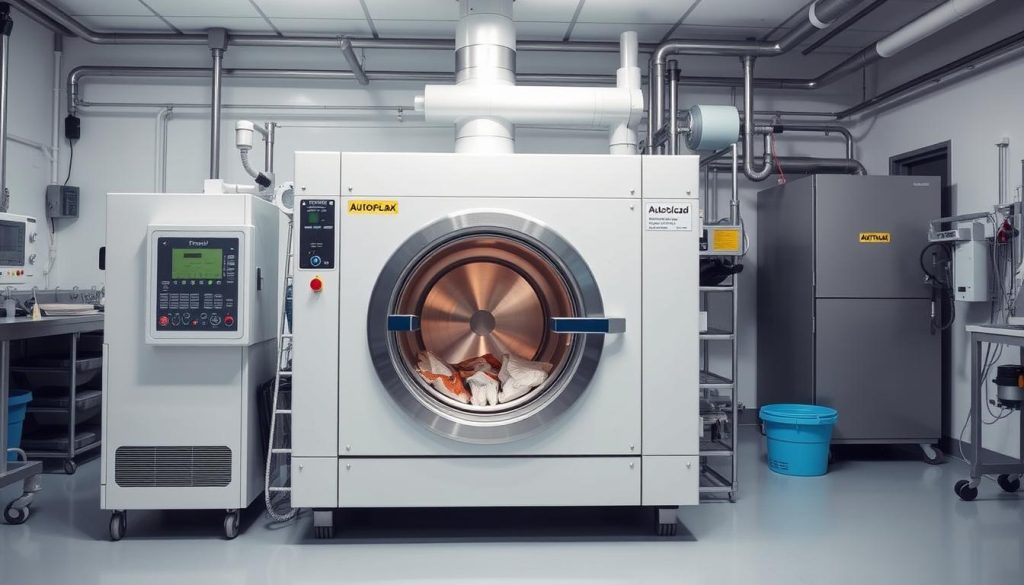
Autoclaving (Steam Sterilization)
Autoclaving uses pressurized steam at 121-134°C to decontaminate waste by destroying microorganisms. This method is:
Advantages
- Environmentally friendly with minimal emissions
- Effective for most infectious waste
- Relatively low operating costs
- Can be performed on-site at many facilities
Limitations
- Not suitable for pharmaceutical or chemical waste
- Limited effectiveness for pathological waste
- Requires proper maintenance and validation
- Does not reduce waste volume significantly
Incineration
Incineration involves burning waste at high temperatures (850-1,100°C) to reduce volume and destroy pathogens. Modern medical waste incinerators include pollution control systems to minimize environmental impact.
Advantages
- Effective for all types of surgical waste
- Significantly reduces waste volume (up to 90%)
- Destroys pathogens and pharmaceuticals
- Can generate energy in some facilities
Limitations
- Higher environmental impact without proper controls
- More expensive to operate and maintain
- Subject to strict emissions regulations
- May face public opposition
Chemical Disinfection
Chemical disinfection uses germicidal chemicals (e.g., sodium hypochlorite, peracetic acid) to decontaminate waste, particularly liquid waste.
Advantages
- Effective for liquid waste and some solid waste
- Relatively simple technology
- Lower capital costs than other methods
- Can be performed on-site
Limitations
- Chemical residues require proper management
- Not suitable for all waste types
- Worker safety concerns with chemical handling
- Does not reduce waste volume
Microwave Treatment
Microwave technology uses electromagnetic radiation to heat moisture in the waste, destroying pathogens through thermal effects.
Advantages
- Environmentally friendly with minimal emissions
- Effective for most infectious waste
- Can reduce waste volume when combined with shredding
- Relatively quick treatment process
Limitations
- Not suitable for pharmaceutical or chemical waste
- Requires waste to contain moisture
- Higher capital costs
- May require pre-shredding of waste
Recycling Options
Some components of surgical waste can be recycled after proper treatment:
- Sterilized plastic from packaging and containers
- Metals from surgical instruments and equipment
- Glass from vials and containers after decontamination
- Some single-use devices through reprocessing programs
The Right Disposal Solution for Your Facility
Different surgical waste types require different disposal approaches. Let the experts at Glycon determine the most efficient, compliant, and cost-effective disposal methods for your specific needs.
Best Practices for Surgical Waste Management
Implementing best practices for surgical waste management helps ensure compliance, safety, and efficiency. These strategies can be integrated into existing workflows to minimize disruption while maximizing protection.

Waste Segregation at Point of Generation
Proper segregation is the foundation of effective waste management:
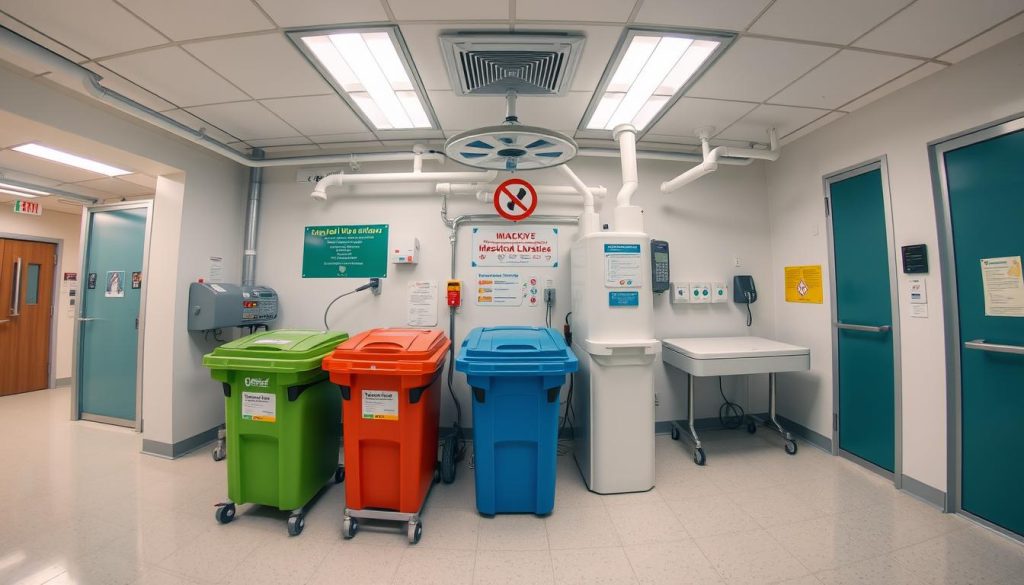
- Use color-coded containers with clear labeling at all waste generation points
- Train all staff on waste categories and proper segregation
- Place containers strategically to minimize movement and cross-contamination
- Conduct regular audits to ensure compliance with segregation protocols
Container Selection and Management
Appropriate containers are essential for safe waste handling:
- Select containers that meet regulatory requirements for each waste type
- Ensure sharps containers are puncture-resistant and clearly labeled
- Use containers with hands-free operation in surgical areas
- Establish protocols for container closure, labeling, and replacement
- Never overfill containers (typically fill only to ¾ capacity)
Staff Training and Education
Comprehensive training ensures all staff understand their responsibilities:
- Provide initial and ongoing education on waste management protocols
- Include waste handling in orientation for new staff
- Conduct hands-on training with actual waste containers and equipment
- Update training when regulations or procedures change
- Document all training activities for compliance purposes
Waste Minimization Strategies
Reducing waste volume can decrease disposal costs and environmental impact:
- Evaluate purchasing decisions to minimize unnecessary packaging
- Consider reusable alternatives where appropriate and safe
- Implement inventory management to reduce expired pharmaceuticals
- Use fluid management systems to reduce liquid waste volume
- Explore reprocessing options for eligible single-use devices
Documentation and Tracking
Proper documentation is essential for regulatory compliance:
- Maintain accurate waste manifests and tracking records
- Document staff training and competency assessments
- Keep equipment maintenance and validation records
- Conduct and document regular compliance audits
- Retain records for the duration required by regulations
Let Glycon assist you in the collection, transportation, and disposal of your Medical Waste!
We built our reputation on 3 tenets: 1) Professional, Compliant Service, 2) Customer Service when you need it! 24/7 and 3) Competitive pricing...Always! Our team protocols align with best practices to address your facility's unique needs and challenges and keep you 100% compliant.
Challenges and Innovations in Surgical Waste Disposal
Healthcare facilities face various challenges in managing surgical waste, but emerging innovations offer promising solutions to these issues.
Common Challenges
Cost Management
Medical waste disposal can be expensive, with costs including:
- Treatment and disposal fees based on waste volume and type
- Transportation costs for off-site disposal
- Equipment and container expenses
- Staff time for handling and documentation
- Potential fines for non-compliance
Environmental Impact
Traditional disposal methods can have significant environmental consequences:
- Greenhouse gas emissions from incineration
- Landfill space consumption
- Potential for soil and water contamination
- Resource depletion from single-use items
Compliance Complexity
Navigating the regulatory landscape presents ongoing challenges:
- Keeping up with changing regulations at multiple levels
- Managing documentation requirements
- Training staff on compliance procedures
- Coordinating with multiple regulatory agencies
Emerging Innovations
Advanced Treatment Technologies
New technologies are improving treatment efficiency and environmental performance:
- Plasma gasification for waste-to-energy conversion
- Enzymatic digestion for biological waste
- Advanced microwave systems with integrated shredding
- Pyrolysis for pharmaceutical waste destruction
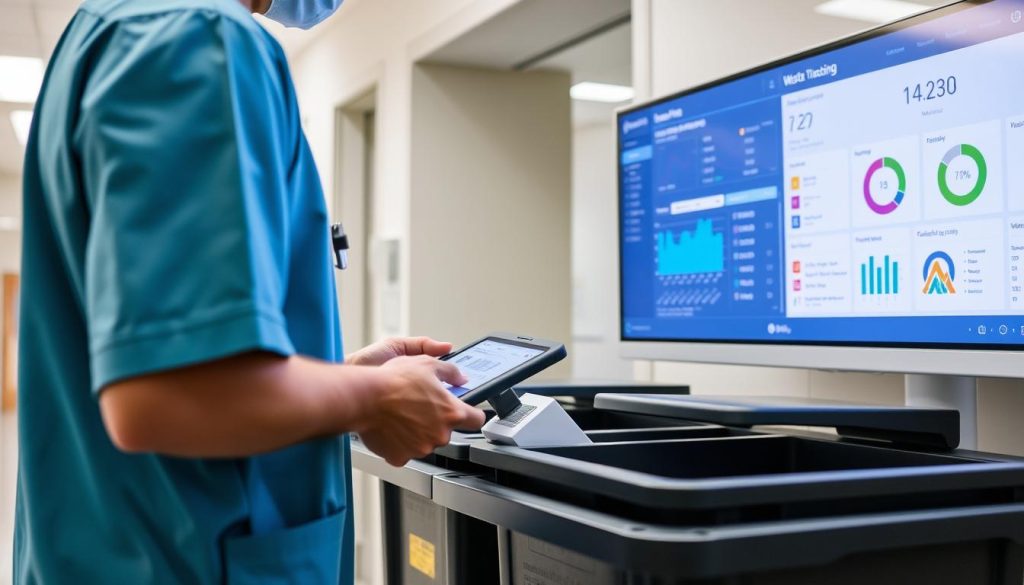
Digital Tracking and Management
Technology is transforming waste tracking and documentation:
- RFID and barcode systems for container tracking
- Blockchain for secure waste chain-of-custody
- Mobile apps for waste documentation and training
- Analytics software for waste volume optimization
Sustainable Alternatives
The industry is moving toward more sustainable practices:
- Biodegradable surgical supplies and packaging
- Reusable surgical textiles and instruments
- Energy recovery from waste treatment processes
- Circular economy approaches to medical supplies
Implementing an Effective Surgical Waste Disposal Program
Creating a comprehensive waste management program for a hospital requires a systematic approach that addresses all aspects of waste handling from generation, hazards, collection, and transportation to final disposal.
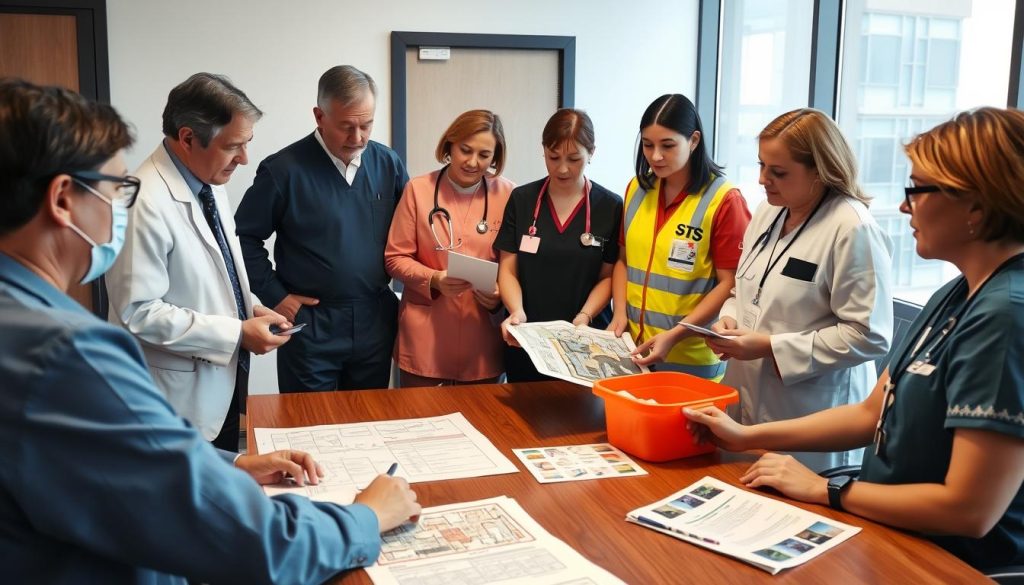
Program Development Steps
- Conduct a Waste Audit - Identify all waste streams, volumes, and current handling practices to establish a baseline.
- Develop Written Policies and Procedures - Create comprehensive documentation that addresses all aspects of waste management.
- Establish a Waste Management Team - Designate responsibilities across departments, including clinical staff, environmental services, and administration.
- Implement Training Programs - Develop and deliver education for all staff involved in waste generation and handling.
- Select Appropriate Equipment and Vendors - Choose containers, treatment technologies, and service providers that meet your facility's needs.
- Create Monitoring and Audit Processes - Establish regular checks to ensure compliance and identify improvement opportunities.
- Develop Contingency Plans - Prepare for equipment failures, service disruptions, or unusual waste volumes.
Key Success Factors
Several factors contribute to the success of a medical waste disposal program:
- Leadership Support - Visible commitment from administration ensures resources and attention
- Clear Communication - Regular updates and feedback channels keep all stakeholders informed
- Continuous Improvement - Regular review and refinement of processes based on performance data
- Integration with Workflows - Waste management procedures that align with clinical workflows improve compliance
- Performance Metrics - Measurable goals help track progress and demonstrate program value
Conclusion: The Future of Surgical Waste Disposal
Proper medical waste disposal is a critical component of healthcare delivery that impacts patient safety, worker protection, environmental health, and regulatory compliance. As surgical techniques advance and waste regulations evolve, healthcare facilities must continually adapt their waste management practices.
The future of medical waste disposal will likely emphasize sustainability, with increased focus on waste reduction, resource recovery, and minimizing environmental impact. Digital technologies will continue to transform tracking and documentation, while treatment innovations will improve efficiency and safety.
By implementing comprehensive waste management programs based on best practices, healthcare facilities can protect their patients, staff, and communities while controlling costs and ensuring compliance with regulatory requirements.
Let Glycon Simplify Your Medical Waste Management
Our team of experts can help you assess your collection practices, and provide professional transportation and compliant disposal of all medical waste generated in your facility. We service facilities of all sizes in all Major cities and their surroundings from Fresno to San Diego.
Los Angeles - Pasadena - Santa Monica - Torrance - Irvine - San Bernardino
Riverside - Santa Barbara - Ventura - Bakersfield - Fresno - San Diego