
Hospital Waste Disposal: What Every Facility Manager Needs to Know
Types of Hospital Waste You’re Dealing With Daily
Not all hospital waste is created equal. Understanding the different categories is your first step toward proper management:
Regulated Medical Waste (15%)
- Infectious waste: Materials contaminated with blood and body fluids that may contain pathogens
- Pathological waste: Human tissues, organs, body parts, and biological specimens
- Sharps waste: Needles, syringes, scalpels, broken glass, and other items that can cause punctures or cuts
- Pharmaceutical waste: Expired, unused, or contaminated medications and vaccines
General Waste (85%)
- Non-hazardous waste: Similar to residential waste, includes paper, packaging, food waste
- Recyclable materials: Paper, cardboard, certain plastics, and glass that can be processed for reuse
- Chemical waste: Solvents, disinfectants, and other non-infectious but potentially harmful substances
Each waste type requires specific handling protocols. Getting this wrong doesn’t just risk regulatory penalties—it puts your staff and patients at risk.
Why Proper Waste Separation Isn’t Optional

Proper waste separation is the foundation of hospital waste management. Here’s why it matters:
Benefits of Proper Separation
- Reduces infection transmission risk by 87%
- Lowers disposal costs by preventing over-classification
- Minimizes environmental impact through appropriate treatment
- Ensures regulatory compliance with state and federal laws
- Protects staff from needlestick injuries and exposure
Risks of Improper Separation
- Potential OSHA violations and hefty fines
- Increased disposal costs from treating non-hazardous waste as hazardous
- Higher risk of staff injuries and infections
- Environmental contamination and public health hazards
- Damage to hospital’s reputation and community trust
We’ve seen hospitals reduce their waste management costs by up to 25% simply by implementing proper separation protocols. It’s not just about compliance—it’s smart business.
Color-Coded Containers: Your First Line of Defense

| Container Color | Waste Type | Examples | Disposal Method |
| Red | Infectious/Biohazardous | Blood-soaked materials, cultures, swabs | Autoclaving or incineration |
| Yellow | Pathological | Human tissues, organs, body parts | Incineration |
| Blue | Pharmaceutical | Expired medications, unused drugs | Incineration or chemical treatment |
| Black | General/Non-hazardous | Paper, packaging, food waste | Landfill or recycling |
| Green | Recyclable | Paper, cardboard, certain plastics | Recycling |
Color-coding isn’t just about organization—it’s about creating intuitive systems that minimize human error. When your staff can instantly identify the right container, you dramatically reduce cross-contamination risks. It also ensures correct waste treatment.
Need help with your medical waste management?
Glycon can ensure your facility has the right mix of containers in the right locations and a schedule regular disposal of facility medical waste.
The Clock’s Ticking: Why Prompt Disposal Matters
Medical waste doesn’t age well. The longer it sits, the greater the risks:
- Microbial growth: Bacteria multiply rapidly in medical waste, increasing infection risks
- Odor development: Extended storage leads to unpleasant odors that affect patient and staff experience
- Storage space limitations: Accumulated waste consumes valuable hospital space
- Regulatory violations: Most states limit medical waste storage time (typically 30-90 days)
- Increased handling risks: More accumulated waste means more handling and greater exposure risk
“The single most effective step hospitals can take to improve waste management is establishing a consistent, frequent disposal schedule with a reliable partner.”
At Glycon, we’ve designed our collection schedules around hospital needs—not the other way around. Whether you need weekly, bi-weekly, or custom pickup schedules, we adapt to your waste generation patterns.
5 Reasons Hospitals Can’t Afford Amateur Waste Partners
1. Regulatory Compliance Expertise
Medical waste regulations vary by state and are constantly evolving. Professional partners stay current with all federal, state, and local requirements so you don’t have to become a regulatory expert.
2. Liability Protection
Your liability for medical waste doesn’t end when it leaves your facility. Professional partners provide cradle-to-grave documentation and proper disposal certificates that protect you legally.
3. Staff Safety
Trained waste management professionals use specialized equipment and follow strict protocols to minimize exposure risks that untrained handlers might miss.
4. Cost Efficiency
Professional partners optimize routes, consolidate pickups, and leverage economies of scale to provide more cost-effective service than attempting to manage disposal in-house.
5. Emergency Response Capability
When unexpected situations arise—whether it’s a surge in waste volume or a spill requiring immediate attention—professional partners have the resources to respond quickly.
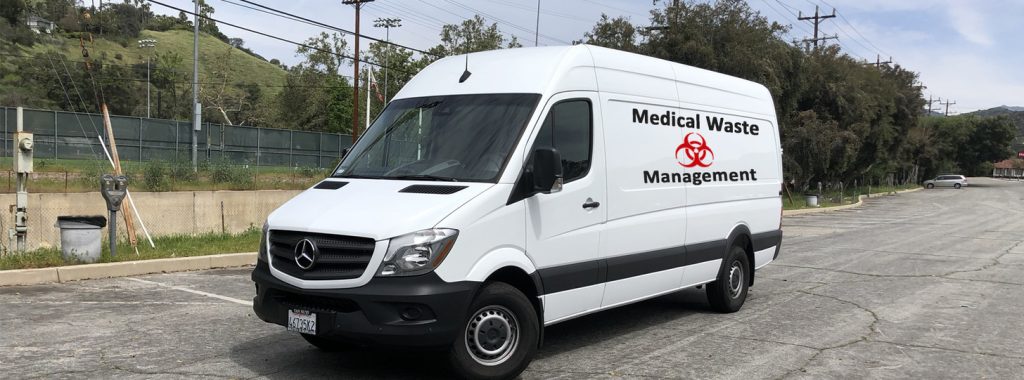
Choosing the right medical waste partner isn’t just about finding the lowest price—it’s about finding a partner who understands the unique challenges hospitals face and has the expertise to address them.
Why Southern California Hospitals Trust Glycon
Local Expertise
We service medical facilities from Fresno to San Diego. We understand the specific regulations affecting CA medical facilities and businesses. Our routes are optimized for your region, meaning more reliable service and faster response times.
Customized Solutions
We recognize that a 500-bed hospital has different needs than a small clinic. Our service plans are tailored to your specific waste volume, facility layout, and operational requirements.
Customer Service When You Need It
Transparent Pricing
No hidden fees, no surprise charges. Our straightforward pricing model means you know exactly what you’re paying for and why. WE offer competitive pricing…Always!
Ready to Upgrade Your Hospital Waste Disposal?

Get Your Free Quote Today
Join hundreds of Southern California medical facilities that trust Glycon for friendly, reliable, and compliant hospital waste disposal.
Call (844) 494-8222Speak directly with our team for answers to your questions and a personalized quote.
Get an Immediate Quote Online
Visit our website for a fast, no-obligation quote in just minutes.
Frequently Asked Questions About Hospital Waste Disposal
What are the penalties for improper hospital waste disposal?
Penalties vary by state but typically include fines ranging from $5,000 to $70,000 per violation. Serious or repeated violations can result in criminal charges, facility closure, and personal liability for administrators. Beyond financial penalties, improper disposal can damage your facility’s reputation and patient trust.
How often should medical waste containers be emptied?
Most states require medical waste to be removed from the point of generation (patient rooms, treatment areas) within 24-72 hours. Storage time limits vary by state but typically range from 30-90 days maximum. However, best practices suggest more frequent removal—especially for infectious and pathological waste—to minimize risks.
Can we use regular trash bags for non-hazardous hospital waste?
While general non-hazardous waste can technically go in standard black bags, many hospitals opt for distinct colors (often clear or white) for all waste streams to prevent confusion and cross-contamination. The most important factor is having a clear, consistent system that all staff understand and follow.
What documentation should we maintain for hospital waste disposal?
You should maintain manifests/tracking forms, certificates of destruction/disposal, staff training records, waste management policies and procedures, container inspection logs, and spill response documentation. Glycon provides comprehensive documentation packages with every pickup to simplify your record-keeping.
How can we reduce our hospital waste disposal costs?
The most effective strategies include: improving waste segregation to prevent over-classification, staff training to reduce errors, right-sizing your containers and pickup schedule, exploring waste reduction initiatives, and working with top-rated provider partners like Glycon that can help you to optimize your program.
Partner with Glycon for Compliant Hospital Waste Disposal
Proper hospital waste disposal isn’t just about checking regulatory boxes—it’s about protecting your patients, staff, community, and reputation. At Glycon, we strive to make medical waste management as seamless and stress-free as possible for facility managers across Southern California.
Whether you’re looking to improve compliance, reduce costs, or simply find a more reliable partner, we’re ready to help. Contact us today to learn how we can customize a hospital waste disposal program that meets your specific needs.