
Understanding Medical Waste vs. Hazardous Waste: Key Definitions
What Is Medical Waste?
Medical waste (also called biohazardous waste) refers to potentially infectious materials generated during medical procedures, patient care, or research activities. This waste category poses a risk of spreading infectious diseases if not properly managed.
- Sharps waste: Needles, scalpels, broken glass, and other items that can puncture skin
- Pathological waste: Human tissues, organs, and body parts removed during surgery or procedures
- Blood-soaked materials: Bandages, gauze, and other items saturated with blood or body fluids
- Cultures and stocks: Laboratory materials used to grow and store biological agents
- Isolation waste: Materials from patients with highly communicable diseases
Medical waste is primarily regulated by OSHA's Bloodborne Pathogens Standard and California's Medical Waste Management Act, with oversight from the California Department of Public Health.
What Is Hazardous Waste?
Hazardous waste is defined by its chemical properties rather than its origin. According to the EPA and CalEPA, waste is considered hazardous if it exhibits one or more of these characteristics:
- Ignitability: Flammable or combustible substances with a flash point below 140°F
- Corrosivity: Materials that can corrode metal or have a pH less than 2 or greater than 12.5
- Reactivity: Unstable compounds that can cause explosions or release toxic fumes
- Toxicity: Substances harmful to human health or the environment when improperly managed
Hazardous waste is regulated under the Resource Conservation and Recovery Act (RCRA) at the federal level and by the Department of Toxic Substances Control (DTSC) in California.

Key Differences Between Hazardous Waste and Medical Waste
| Characteristic | Medical Waste | Hazardous Waste |
| Primary Risk | Infectious disease transmission | Chemical toxicity, reactivity, corrosivity, or ignitability |
| Origin | Healthcare facilities, laboratories, research institutions | Industrial processes, laboratories, and some healthcare activities |
| Disposal Methods | Autoclaving (steam sterilization), incineration | Chemical treatment, incineration, secure landfills |
| Container Color | Red bags or containers with biohazard symbol | Yellow containers with hazardous waste labeling |
| Primary Regulatory Body | OSHA, California Department of Public Health | EPA, CalEPA, Department of Toxic Substances Control |
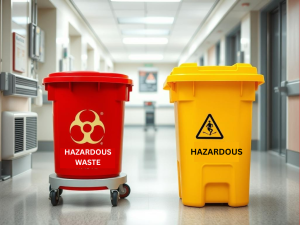
Origins and Sources
Medical waste primarily originates from healthcare activities directly related to patient care. This includes hospitals, clinics, dental practices, veterinary facilities, and laboratories. The defining characteristic is potential infectiousness rather than chemical properties.
Hazardous waste, by contrast, is defined by its chemical properties regardless of source. While industrial facilities are major generators, healthcare settings also produce hazardous waste through laboratory operations, maintenance activities, and certain treatments.
Disposal Methods and Requirements
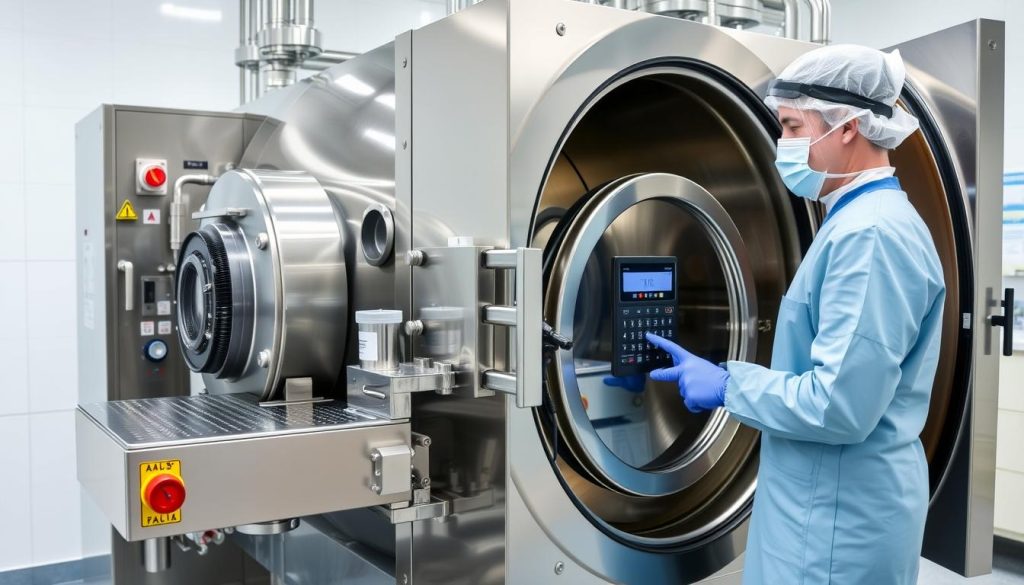
The difference between hazardous waste and medical waste becomes particularly important when considering disposal methods. Medical waste typically undergoes treatment to eliminate infectious agents, commonly through:
- Autoclaving: Using pressurized steam to sterilize waste
- Incineration: High-temperature burning of waste (though restricted in California)
- Chemical disinfection: Using approved disinfectants to neutralize pathogens
Hazardous waste disposal methods focus on neutralizing chemical hazards through:
- Chemical treatment: Processes that change the chemical composition to reduce toxicity
- Stabilization/solidification: Converting liquid waste to solid form for safer disposal
- Secure landfills: Specially designed facilities with liners and monitoring systems
Regulatory Framework: Who Oversees What
Understanding which agencies regulate different waste streams is crucial for compliance in Southern California:
Medical Waste Regulation
- Federal level: OSHA's Bloodborne Pathogens Standard
- State level: California Medical Waste Management Act
- Oversight agency: California Department of Public Health (CDPH)
- Key requirement: Medical Waste Management Plan
Hazardous Waste Regulation
- Federal level: Resource Conservation and Recovery Act (RCRA)
- State level: California Hazardous Waste Control Law
- Oversight agency: Department of Toxic Substances Control (DTSC)
- Key requirement: EPA ID Number and manifest tracking
Need help navigating complex waste regulations?
Glycon LLC specializes in California waste compliance. Our experts can help you properly classify, handle, and dispose of all waste streams.

When Waste Falls Into Both Categories: The Overlap Challenge
Some waste streams present particular challenges because they qualify as both hazardous and medical waste. These "dual-category" wastes require special handling and disposal protocols:
Chemotherapy Waste
Materials used in chemotherapy administration contain both toxic chemicals (hazardous) and potentially infectious materials (medical). This includes IV bags, tubing, and personal protective equipment.
Pharmaceutical Waste
Certain medications are classified as hazardous due to their toxicity while also containing biological components. Proper segregation is essential for compliance.
Laboratory Waste
Clinical laboratories often generate waste containing both chemical reagents (hazardous) and biological specimens (medical), requiring comprehensive management protocols.
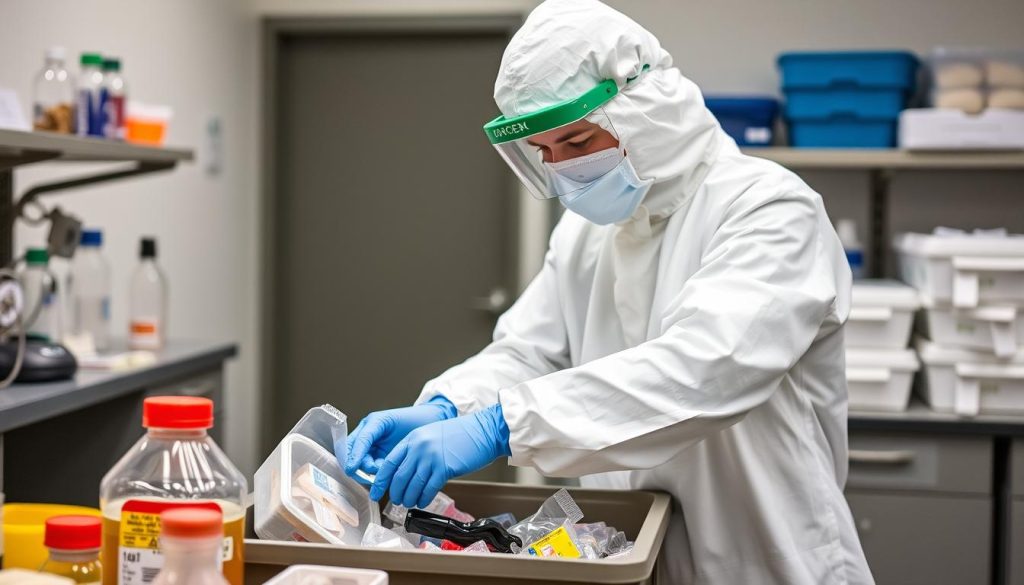 For these challenging waste streams, facilities must follow the more stringent of the applicable regulations. This often means implementing a comprehensive waste management program that addresses both sets of requirements simultaneously.
"The most common compliance violations we see involve improper segregation of dual-category wastes. Facilities often focus on either the hazardous or infectious aspects, but not both."
Why Proper Waste Classification and Disposal Matters
Environmental Impact
California's ecosystems are particularly vulnerable to waste mismanagement. According to CalRecycle, improper disposal of hazardous and medical waste contributes to:
- Groundwater contamination affecting drinking water supplies
- Soil contamination that can persist for decades
- Air pollution from improper incineration or treatment
- Harm to wildlife in California's diverse ecosystems
Southern California's dense population makes these environmental risks particularly acute, with potential impacts affecting millions of residents.
Regulatory Consequences
Facilities that fail to properly classify and dispose of waste face serious penalties:
- Fines up to $70,000 per day per violation under California law
- Potential criminal charges for willful violations
- Mandatory facility upgrades and monitoring
- Reputational damage and loss of operating licenses
California regulatory agencies have increased enforcement actions by 35% in the past three years, with healthcare facilities facing particular scrutiny.

Best Practices for Managing Both Waste Streams
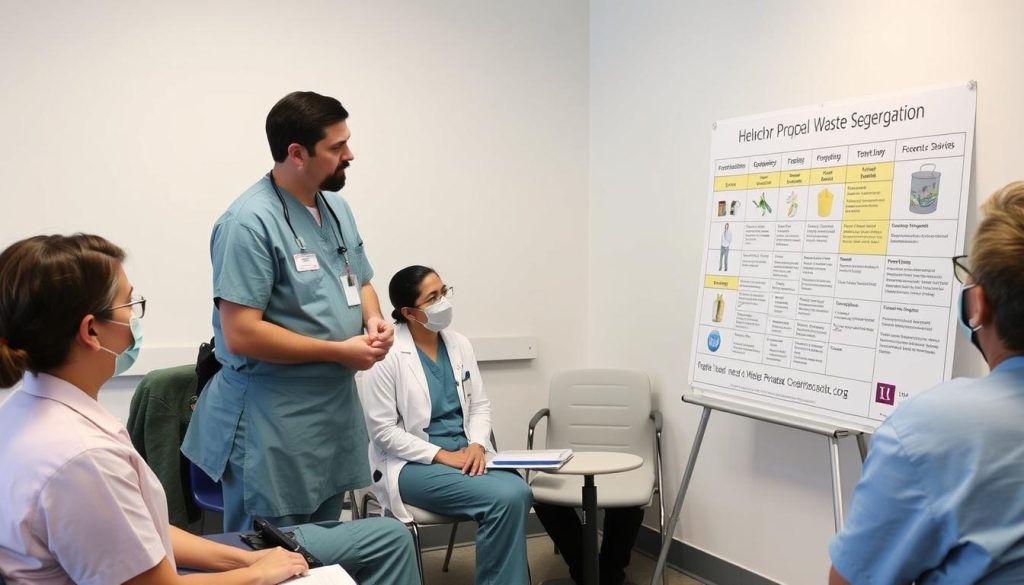
Staff Training
Ensure all personnel understand the difference between hazardous waste and medical waste through regular training sessions. Document all training activities to demonstrate compliance during inspections.
Clear Labeling
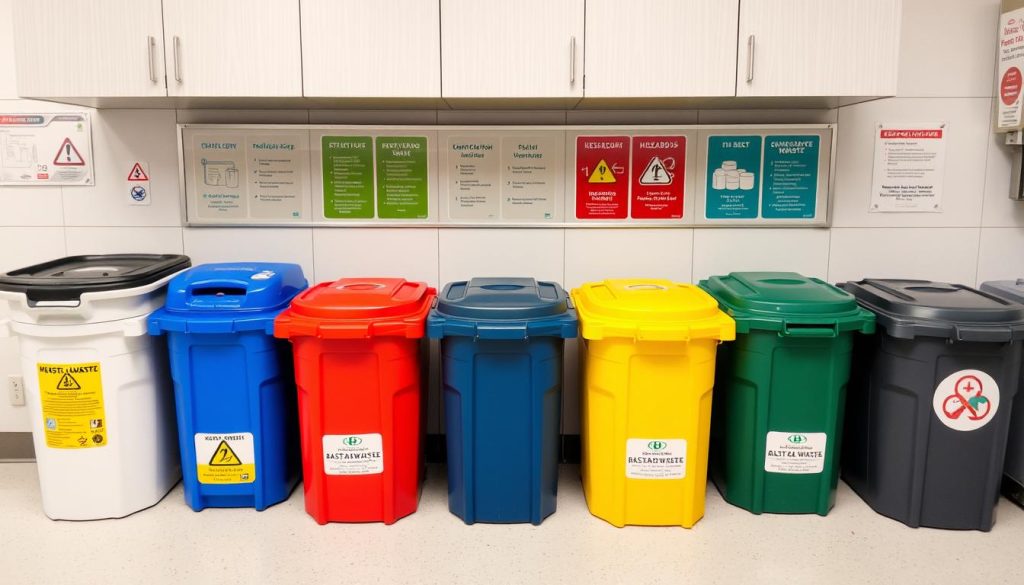
Implement a color-coded container system with proper labeling that clearly identifies waste types. Use standardized symbols and text that comply with both OSHA and EPA requirements.
Waste Audits
Conduct regular waste audits to identify misclassification issues and opportunities for waste reduction. This proactive approach helps prevent compliance violations.
California-Specific Compliance Tip
California requires facilities to maintain a Medical Waste Management Plan and obtain an EPA ID number for hazardous waste generation. These documents must be updated annually and be available during inspections. Glycon LLC can help ensure your documentation meets all requirements.
Ensuring Compliant Waste Management in Southern California
Understanding the difference between hazardous waste and medical waste is essential for healthcare facilities in Southern California. Proper classification, handling, and disposal not only ensure regulatory compliance but also protect your staff, patients, and the environment.
With California's stringent waste regulations and increased enforcement actions, partnering with a knowledgeable waste management provider is more important than ever. Glycon LLC specializes in helping Southern California healthcare facilities navigate these complex requirements with comprehensive waste disposal solutions.
Trust Glycon for All Your Waste Disposal Needs
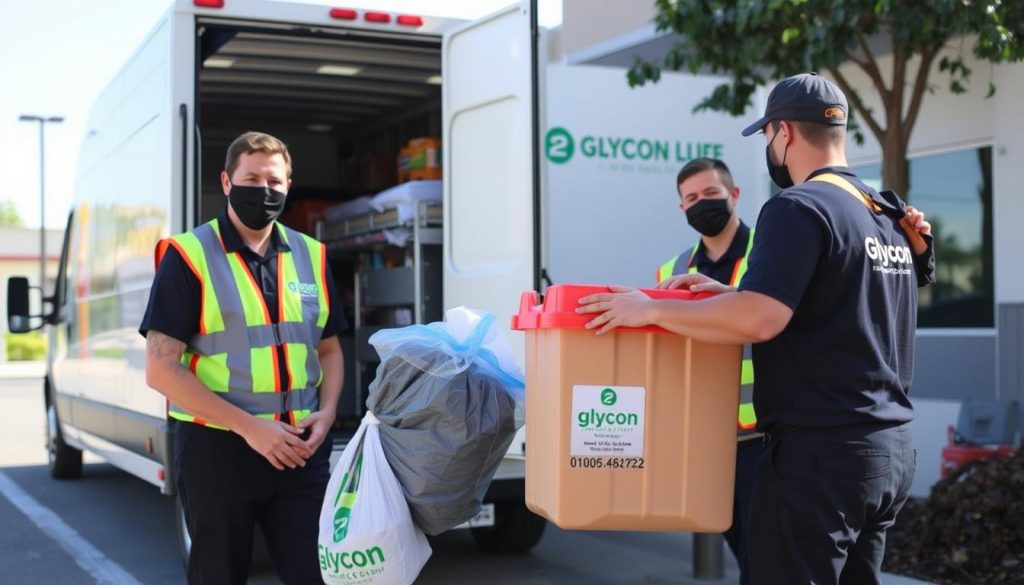
Our team of experts provides compliant disposal services for medical, hazardous, and biohazardous waste throughout Southern California. We handle the complexities of waste management so you can focus on patient care.
Or visit www.Glyconllc.com to schedule your waste audit today.
Click For More Information: Los Angeles Medical Waste Disposal
Click For More Information: California Medical Waste Disposal Service Areas